- Lower Kabete Rd, Nairobi 00100, Kenya
- Mon-Fri, 08:00am - 06:00pm
- +254 (798) 586113 +254 (728) 922269
- info@afriqsilicon.com
1 Min Read
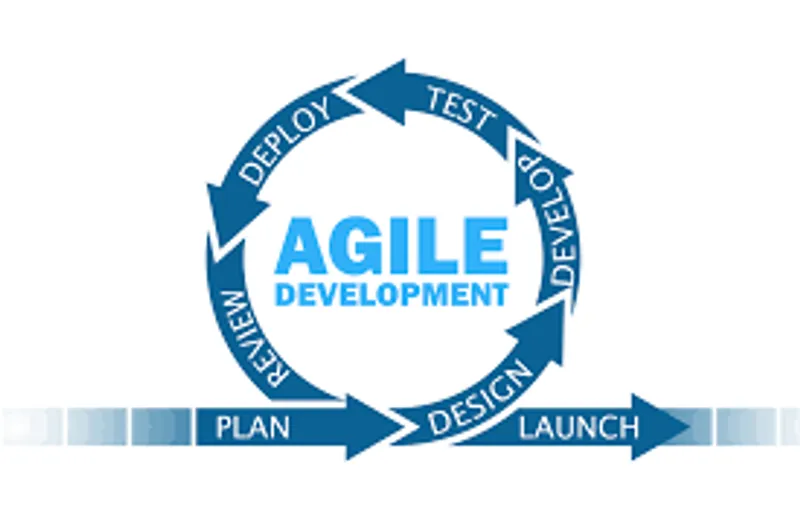
Agile Development at Afriq Silicon
How we actually run two-week sprints, and the deployment pipeline that makes each increment something you can click on rather than a status update.

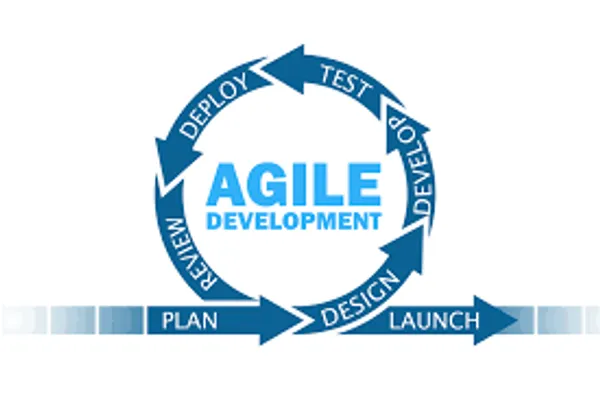
How we actually run two-week sprints, and the deployment pipeline that makes each increment something you can click on rather than a status update.
Every agency says it works in sprints. That tells you almost nothing about what it is like to have one build your software. So here is how we actually run projects.
What our sprints actually look like
We run two-week sprints, each ending with a demo of working software and a retrospective that decides what changes in the next one. Day to day the work is tracked in ClickUp, with a prioritized backlog of user stories behind it.
The part that does most of the work is the deployment pipeline. Docker for packaging, GitHub Actions for the deploy, and Pulumi for infrastructure as code, so that a two-week increment can genuinely reach an environment you can click around in. Sprints that end in a slide deck rather than a running URL are where the model quietly stops working. This is part of our broader System Orchestration capability.
Where it fits
Two-week increments suit projects where the requirements are likely to move, which covers most software projects. If your scope is genuinely fixed and well understood, a heavier process may serve you better, and we will say so.
If you want to see how we would sequence your project, our Product Design & Implementation and Team as a Service offerings are the two places to start. Get in touch and we will walk through it.
Frequently Asked Questions
Common questions on this topic, answered by the Afriq Silicon team.
What is Agile development in practice?
How does Agile differ from Waterfall?
How long is a typical sprint at Afriq Silicon?
Can Agile work for fixed-budget projects?
Do I need a technical background to work with an Agile team?
Related Services
Working through this problem? These are the services we offer that connect to it.
Product Design & Implementation
From idea to production-ready software, built right the first time.
Custom software product design and development from Afriq Silicon. We build scalable, user-centered applications, from concept to deployment.
Explore serviceTeam as a Service
Senior engineers embedded in your team, on your timeline.
Team as a Service from Afriq Silicon: embed senior engineers directly into your product team. Flexible, fast to onboard, no recruitment overhead.
Explore serviceRelated
Similar Articles
Stay Informed with Our Latest Articles: Explore the most recent insights, trends, and updates from our industry experts. Dive into a wealth of knowledge to keep you ahead in the ever-evolving tech landscape.

October 1st, 2026
Outsourcing vs Local Delivery: risk analysis for African public‑sector IT
Find a concise risk‑focused comparison of outsourcing, local vendors and in‑house teams for government software projects, with checklists and next steps.

September 25th, 2026
Running Mission‑Critical Systems in Low‑Connectivity, Unreliable Power
Learn how to design, build and operate resilient enterprise software in Africa where network and electricity are spotty. Get practical steps, trade‑offs and
September 22nd, 2026
Implementing ERP in African Public Sector: procurement, migration, and sustainability
Learn how to navigate public‑sector ERP procurement cycles, migrate legacy data, and build a sustainable system that stays operational for the long term.
September 21st, 2026
Implementing CI/CD with GitHub Actions to Deploy Docker‑Compose Services
Step‑by‑step guide to set up a GitHub Actions pipeline that builds Docker images, pushes them to a registry and runs docker‑compose on a server, with tips


Pages
- - Work
- - Services
- - Our Process
- - Contact Us
Solutions
- - Acts ML
- - Kilelehub
- - Other Projects
Legal
Contact
- - Lower Kabete Rd, Nairobi 00100, Kenya
- - Mon-Fri, 08:00am - 06:00pm
- - +254 (798) 586113
- - +254 (728) 922269
- - info@afriqsilicon.com